Shad Thames man with van advice for riverside moves
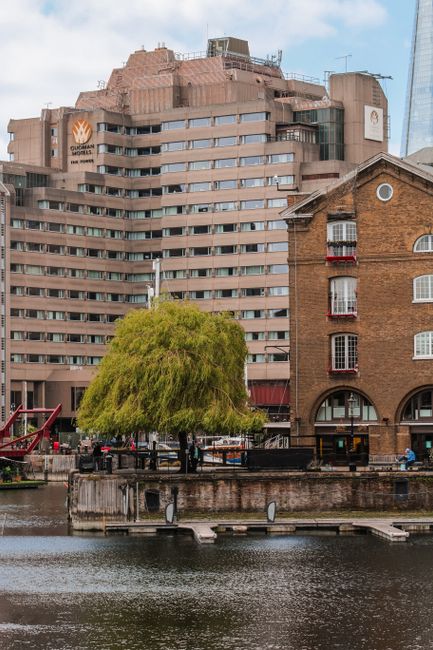
If you are planning a move in Shad Thames, you already know this is not a simple "park outside and carry on" job. Riverside streets, tight access, busy walking routes, awkward building entrances and the occasional surprise from a loading bay can turn a short move into a long day. That is where practical Shad Thames man with van advice for riverside moves really pays off. Done well, it saves time, reduces stress and keeps your belongings safer, which is what most people want, really.
This guide walks through how to prepare, what to expect, common mistakes to avoid, and how to choose the right approach for a riverside move in and around Shad Thames. It is written for real life, not brochure life. Because let's face it, moving day rarely follows the tidy plan you made on Tuesday night.
Why Shad Thames man with van advice for riverside moves matters
Shad Thames has its own moving rhythm. The area is attractive, historic in feel, and popular for homes and small businesses, but that charm often comes with practical complications: narrow approach roads, shared access points, limited waiting space, and buildings where the lift is just a little too small for that one awkward sofa. A local move advice guide matters because the difference between a smooth removal and a messy one usually comes down to planning, not brute force.
For riverside moves, timing matters too. The best route on paper can turn into the worst route in practice if the frontage is busy, if cyclists and pedestrians are flowing past, or if a delivery vehicle has already claimed the sensible stopping point. You want a plan that fits the street, the building, the weather and the real size of the load. Not just the optimistic version.
There is also a trust angle here. A proper man with van service should understand how to work around access limits, protect furniture during short carries, and keep the move efficient without turning it into a rush. If you are comparing providers, it can help to look at broader removal services as well, especially if your move needs more than just a driver and a van.
Expert summary: In Shad Thames, good moving advice is mostly about logistics: parking, timing, access, and handling. If those four are right, the day becomes much easier.
How Shad Thames man with van advice for riverside moves works
The basic idea is simple. A smaller, more flexible vehicle can often handle a riverside move better than a larger removal lorry, especially where access is tight or the move is split across floors, courtyards or shared entrances. But "smaller" does not mean "casual". The vehicle still needs to be suitable for the load, the operator needs to know the area, and the loading plan needs to be sensible.
In practice, a Shad Thames man with van move usually works like this:
- Pre-move assessment: You list what is being moved, where it is going, and any access issues such as stairs, lifts, gated entries or limited parking.
- Vehicle matching: The van size is chosen to fit both the load and the street conditions. Too small, and you need extra trips; too large, and access becomes harder than it should be.
- Timing plan: A sensible arrival window is arranged to avoid peak traffic, busy riverside footfall, or building rules around loading.
- Protection and loading: Items are wrapped, padded, stacked properly and secured inside the van. This is where a skilled mover quietly earns their keep.
- Delivery and placement: The team unloads carefully, places items where needed, and helps avoid damage in hallways, lifts or polished floors.
If your move is more involved, you may want to look at a dedicated man and van option or even a fuller removals service. The right choice depends on volume, access and how much lifting you want to do yourself. Truth be told, many people underestimate that last part.
One thing to remember: the best moves are rarely the fanciest ones. They are the well-organised ones.
Key benefits and practical advantages
A well-run riverside move offers more than convenience. It can save you money, reduce disruption and protect your belongings from the sort of knocks that happen when everyone is tired and carrying the second box before breakfast. Here are the main advantages.
- Better access in tight streets: A van is often easier to position close to the property than a larger vehicle.
- Lower disruption: Shorter loading times mean less stress for neighbours, building staff and passing pedestrians.
- More flexible scheduling: Smaller move teams can often work around awkward time slots more easily.
- Less handling damage: A route planned properly reduces the number of times your items are lifted and re-lifted.
- Cost control: If your move is small to medium, a van-based service may be more efficient than paying for unnecessary capacity.
- Local awareness: A mover familiar with riverside conditions tends to make quicker, better decisions on the day.
There is also something reassuring about seeing a van arrive that is actually the right size for the job. No drama, no half-empty lorry parked at an angle for an hour. Just a practical solution doing what it should.
If you need a broader benchmark for what you are paying for, the site's pricing and quotes page is a useful next stop, especially when you want to compare scope rather than just chase the cheapest number.
Who this is for and when it makes sense
This sort of moving support is ideal for people who want a practical, efficient service without the footprint of a full-scale removal operation. That includes a lot of different situations, not just small flats.
- Flat moves in riverside blocks: Especially where lifts, stairs or shared entrances make access a bit fiddly.
- Student or first-time renter moves: When the load is manageable but still too much for a car boot and a prayer.
- Single-item moves: Sofas, wardrobes, desks or white goods that need two-person handling.
- Furniture transfers: Moving pieces between homes, storage, landlords or relatives.
- Short-notice moves: When you need a rapid response and a practical vehicle rather than a full planning cycle.
- Small office or studio changes: For light commercial relocations where speed and access matter more than scale.
On the other hand, if you have a large family house, lots of fragile items, or a full office relocation, it may be smarter to explore house removals or office removals. That is not overkill; it is matching the method to the job.
As a rough rule of thumb, if you are already worrying about whether the van will fit, the stairs will fit, and the wardrobe will fit, you probably need a proper plan. And maybe a stronger coffee.
Step-by-step guidance
Here is a straightforward way to organise a Shad Thames riverside move without losing the plot halfway through.
1. Measure what is actually going
Start with the biggest items first. Measure tall furniture, wide furniture and anything awkward such as mirrors, plant pots or large artwork. A realistic inventory helps the mover decide whether one trip will do or whether you need a staged load.
2. Check access before you book
Ask yourself the awkward questions now: Where will the van stop? Is there a loading bay? How far is the carry from van to door? Is there a lift, and if so, what size is it? These details matter more than people think.
3. Tell the mover about building rules
If your building has concierge requirements, booking windows, service lift times or restrictions on moving hours, say so early. Nothing kills a good plan faster than finding out at the kerbside that you can only unload in a 20-minute slot.
4. Pack for short carries, not just storage
Use sturdy boxes, keep heavy books in smaller cartons, and label fragile items clearly. For riverside moves, waterproof or weather-resistant wrapping can help too, because British weather likes a dramatic entrance. The rain never checks your calendar.
5. Reserve the van-friendly route
Think about the path from the property to the vehicle. If your route passes through shared walkways, raised thresholds or slick paving, make sure the loading team knows. A few extra minutes of planning can save a damaged table leg or a bruised wall.
6. Keep essentials apart
Carry documents, chargers, medication, keys and a change of clothes separately. The van can move your furniture; your handbag, wallet and the kettle you need at 7pm should stay in a clearly labelled essentials bag.
7. Do a proper handover
When everything is unloaded, check rooms before the team leaves. Make sure the beds are in the right room, the sofa is not blocking the door, and any fragile items are placed safely. Small corrections are easy now; annoying later.
Expert tips for better results
Over time, a few habits make riverside moves much easier. Nothing glamorous. Just the stuff that works.
- Book earlier than you think: Good access windows disappear quickly in busy London areas.
- Use soft packing for awkward items: Blankets, covers and shrink wrap help keep corners safe.
- Keep one person on parking duty if possible: If there is a legal stopping place nearby, having someone ready to guide the driver can save precious minutes.
- Separate furniture fittings in small bags: Screws, bolts and shelf pins have a habit of vanishing exactly when you need them.
- Tell the mover about delicate surfaces: Polished timber, glass, marble and painted bannisters need extra care.
- Plan around tide-like foot traffic: Riverside routes can seem calm, then suddenly fill up with walkers, runners and delivery bikes. You will notice it more than you expect.
A small but useful tip: photograph how flat-pack items are assembled before you take them apart. It sounds obvious until you are staring at a bag of identical screws at 9pm. Then it sounds genius.
If you want extra help with the packing side, a service such as packing and unpacking services can take a lot of pressure off the day itself. That is especially helpful when you are moving on your own or juggling work and family.
Common mistakes to avoid
Most moving problems are preventable. The trouble is, people make the same mistakes over and over because the move looks small from a distance. Then the van arrives and reality turns up behind it.
- Guessing the van size: Guessing often leads to under-booking, extra trips and higher costs.
- Ignoring access constraints: A narrow street or awkward corner can affect the whole schedule.
- Overpacking boxes: Heavy boxes split, drop and slow everything down.
- Leaving parking to chance: "We'll sort it on the day" is not a strategy. It is a hope, and hope is thin on moving day.
- Not protecting furniture: Scratches on doorframes and table edges are usually avoidable.
- Forgetting building communication: If your concierge or landlord is not informed, the day can get awkward fast.
Another mistake is assuming every move needs the same service level. Some people only need a quick van transfer. Others need a full home moves setup with multiple hands and a longer load list. Matching the service to the move is what keeps the cost sensible.
And yes, it is slightly annoying to say this, but rushing usually creates the delay you were trying to avoid.
Tools, resources and recommendations
You do not need a van full of gadgets to make a move work, but a few practical tools can make life easier. The best tools are boring in the best possible way.
- Sturdy boxes and tape: Use consistent box sizes where possible so they stack safely.
- Furniture blankets and covers: Good for protecting wood, upholstery and sharp corners.
- Labels and marker pens: Clear room labels save time on unloading.
- Zip bags or small tubs: Keep fixings and cables together.
- Floor protection: Helpful in wet weather or where building floors are easily marked.
- Measuring tape: A simple check can save a lot of guessing.
For reassurance around safety, it is worth looking at a company's insurance and safety information and its health and safety policy. Those pages tell you a lot about how seriously a provider treats belongings, lifting, and on-site care.
If you are comparing broader moving support, the site's movers and removal company pages can also help you understand the scope of help available. That makes the choice simpler, especially when you are not sure whether you need simple transport or fuller assistance.
Law, compliance, standards, or best practice
For a riverside move in London, compliance is mostly about common-sense best practice, safe working, and respecting local access rules rather than dramatic legal complexity. Still, there are a few things worth keeping in mind.
First, parking and loading should always be treated carefully. Do not assume a van can stop anywhere for as long as needed. A sensible mover will work within the rules of the street, building, and any permissions that apply. If special access arrangements are needed, plan them in advance rather than hoping for a quick fix on the kerb.
Second, safe handling matters. Good moving practice includes lifting properly, securing items inside the vehicle, and avoiding blocked walkways. That is not just about professionalism; it is also about reducing avoidable accidents.
Third, reliable providers should be clear about payment, terms, and what is included. Reading the terms and conditions and payment and security information can prevent misunderstandings later. It is never the most exciting part of the process, but it is one of the most useful.
You may also want to review the company's recycling and sustainability approach if you are clearing out unwanted items at the same time. Responsible disposal, reuse and recycling are a practical part of modern moving work, especially when you are downsizing or replacing furniture.
In short: move safely, move transparently, and do not leave the awkward details until the van is already outside.
Options, methods, or comparison table
Choosing the right moving method is often the hardest bit. The table below gives a simple comparison so you can judge what feels sensible for a Shad Thames riverside move.
| Option | Best for | Strengths | Possible drawbacks |
|---|---|---|---|
| Man with van | Small to medium local moves, single items, flats | Flexible, often efficient, easier in tight streets | May not suit very large loads or multiple bulky rooms |
| Man and van | Light removals where some lifting help is needed | Good balance of support and practicality | Not always enough for complex moves |
| Full removals service | Large homes, many items, fragile or heavy contents | More capacity, more hands, broader support | Usually more involved than a small local move requires |
| Self-move with hired vehicle | Very budget-conscious moves with plenty of help from friends | More control over timing and handling | Higher effort, more risk, and more chance of a long day |
If your move looks borderline between two options, choose the one that gives you a little breathing room. A van with some spare capacity is usually kinder than one packed so tightly that every box becomes a puzzle.
Case study or real-world example
Here is a realistic example from the sort of move that happens all the time in this part of London.
A couple were moving from a riverside apartment in Shad Thames to a nearby flat not far away. The move looked simple at first: a bed, a sofa, a dining table, a few boxes, and some artwork. But the building had a narrow entrance, the lift was small, and the street outside had limited waiting space. They also wanted the move done in one morning so they could settle in before work the next day.
Rather than booking a large vehicle and hoping for the best, they chose a compact van-based service with clear access planning. They measured the larger furniture in advance, packed the fragile pieces separately, and arranged the lift booking with the building manager. On the day, the van could stop close enough to reduce carrying time, and the whole job ran in tidy stages.
What made the difference was not luck. It was three small things done well: realistic assessment, early communication, and the right size vehicle. The move still had the usual moving-day awkwardness-someone misplaced a box of kettle leads, of course-but overall it stayed calm, efficient and manageable.
That is the kind of outcome most people are after. Not perfection. Just a move that does not chew up the whole day.
Practical checklist
Use this checklist before your riverside move. Keep it simple and tick things off as you go.
- List every item that needs moving, including awkward or heavy pieces.
- Measure furniture, doorways, hallways and the lift where relevant.
- Confirm the best stopping point for the van.
- Check any building access rules, concierge procedures or lift bookings.
- Pack fragile items with extra padding.
- Label boxes by room and priority.
- Put essentials aside for personal carry.
- Ask about insurance, safety and terms before confirming the booking.
- Prepare for weather, especially if the route includes outdoor carrying.
- Do a final room-by-room check before the van leaves.
That list is not fancy, but it works. A well-prepared move always feels lighter than it should.
Get a free quote today and see how much you can save.
Conclusion
Shad Thames moves reward careful planning. The riverside setting, the access quirks and the pace of London life all make it worth thinking ahead rather than improvising at the kerb. With the right van, the right timing and the right amount of support, a local move becomes much more manageable than people expect.
If you want the short version: measure properly, plan access early, choose the right service level, and keep the day practical. Do that, and you are already ahead of most moving-day headaches. A little preparation goes a long way. Honestly, it really does.
And when the last box is inside, the kettle is found, and the river is quietly doing its thing outside, the whole effort starts to feel worth it.
Frequently Asked Questions
What is the best type of service for a Shad Thames riverside move?
For smaller to medium moves, a man with van or man and van service is often the best fit because it is flexible and easier to manage in tighter streets. Larger homes or more complex jobs may need fuller removals support.
Why do riverside moves in Shad Thames need extra planning?
Because access can be tighter than expected, parking may be limited, and there can be more pedestrian activity than in a typical residential street. A few minutes of planning can save a lot of delay.
How do I know what van size I need?
Start with your biggest items, then count the boxes and bulky furniture. If you are unsure, give the mover a full list and measurements. It is better to be specific than hopeful.
Can a man with van handle stairs and lifts?
Usually, yes, but you should say so in advance. Stairs, long carries and small lifts affect timing and effort, so the mover needs to know before the day arrives.
Is a man with van cheaper than a full removals service?
Often, yes, for smaller jobs. But the cheapest option is not always the best value if it means extra trips or underestimating the work. Compare the total job, not just the headline price.
What should I pack separately for moving day?
Keep essentials with you: keys, documents, medication, chargers, a phone cable, basic toiletries and anything you need immediately when you arrive. It saves a lot of rummaging later.
Do I need to arrange parking myself?
That depends on the building and the street, but you should always check the stopping point in advance. Good communication with the mover helps avoid last-minute confusion.
What if I only have one large item to move?
A single-item move is often exactly what a van-based service is for. Sofas, beds, wardrobes and appliances are common examples, especially where two-person lifting is needed.
How far in advance should I book?
As early as possible if your move is time-sensitive or if access is tricky. Busy periods can fill up quickly, and local slots are often limited.
Should I choose a moving truck instead of a van?
Only if the volume really demands it. In Shad Thames, a smaller van is often easier to position and more practical for access. A bigger vehicle is useful only when the load justifies it.
What safety checks should I ask about before booking?
Ask about insurance, item handling, loading methods, and whether the company has a clear safety policy. That tells you how carefully they work and whether they understand the risks involved.
Can I combine furniture pick-up with a move?
Yes, in many cases. If you are also clearing items or collecting second-hand furniture, you may find a dedicated furniture pick up option helpful, provided the timings and access fit the main move.
What is the most common mistake people make with riverside moves?
Underestimating access. People often focus on what is being moved and forget where the van can actually stop, how far the carry is, and whether the building has restrictions. That is usually where the trouble starts.
Where can I find more about the company behind the service?
You can learn more through the site's about us page and review its privacy policy if you want to understand how information is handled.